Cost is the one return you control
Nobody can promise you a return. What a portfolio costs to own is one of the few things that can be managed directly. We aim to keep the core low-cost so more of the portfolio's return stays with you.

Approach
If you cannot explain your own plan in a few sentences, it is not your plan yet. Everything about how Providence Wealth Management works is organized around that standard.

Philosophy
A portfolio should begin with a low-cost, broadly diversified core that does most of the work and requires very little maintenance. That part is not exciting, and it is not supposed to be. It is the foundation the rest of the plan stands on.
Around that core, there is genuine room for conviction — a sector we believe is mispriced, a commodity exposure that hedges a specific risk, an individual company worth owning. Those positions are welcome, provided each one comes with a reason, a size limit, and an honest account of what would prove us wrong.
What we avoid is the middle ground: an expensive, semi-active portfolio that takes real risk without a real thesis. In our view, that is where many investors quietly lose ground.
Anyone can build a portfolio for the market we have. The work is building one for the market we are going to get. Since 1999 I have learned that is a matter of design, not prediction. Jason E. Hurta
Principles
Nobody can promise you a return. What a portfolio costs to own is one of the few things that can be managed directly. We aim to keep the core low-cost so more of the portfolio's return stays with you.
Real diversification means owning things that disappoint you at different times. If everything in a portfolio is working at once, it may be less diversified than it looks.
Two identical portfolios can deliver very different outcomes after tax. Location, timing, and sequencing are decisions, and they get made deliberately here.
Every additional holding, account, or product adds something to explain, monitor, and pay for. If it cannot justify that, it does not belong in the plan.
Verbal understandings drift. A written plan gives us both something to check decisions against when markets are loud and emotions are high.
You will hear about a mistake, a disappointing position, or a change in view from us first. Trust is built in the uncomfortable conversations, not the easy ones.
The process
We start with your life, not your statements. What is working, what worries you, who depends on you, and what you want the next ten years to look like.
A full read of what you already own: allocation, overlap, cost, tax exposure, beneficiary designations, insurance in force, and the gaps between them.
A written plan with a target allocation, an income strategy, a tax sequence, and a protection review — written in plain language, with the tradeoffs named.
Accounts opened and funded, transitions handled with tax consequences in mind, and every moving piece documented so you know what changed and why.
Scheduled reviews, rebalancing discipline, and a standing invitation to call before any large decision. Plans change because lives change.
About
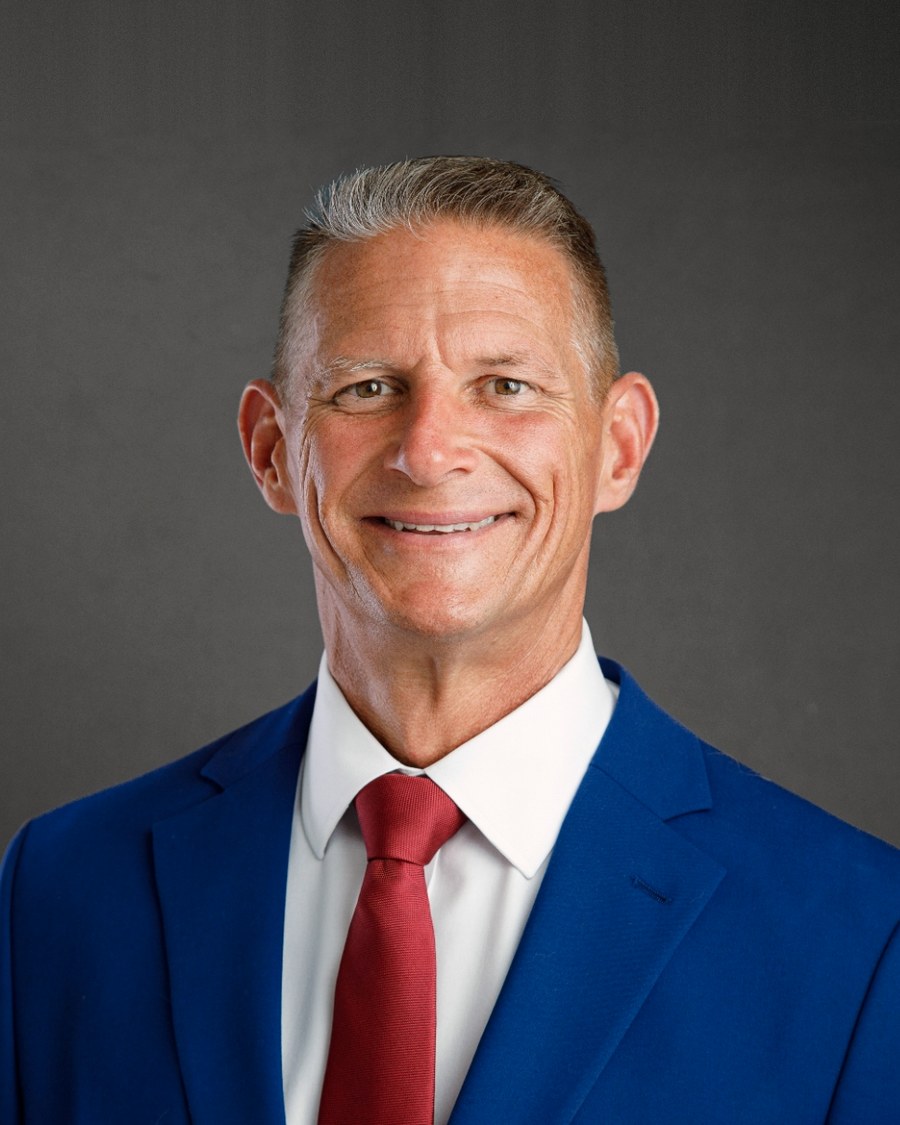
I started advising clients in March 1999 and have not stopped since. In that time I have sat with people through the dot-com collapse, the 2008 financial crisis, the sharp market decline of the 2020 pandemic, and the return of inflation and higher interest rates. The market has been unrecognizable in each of those episodes. What people needed from an advisor was remarkably consistent: a clear explanation, a plan that already accounted for the possibility, and someone who answered the phone.
Providence Wealth Management is built around comprehensive planning rather than a single product. I work directly with every client — the person doing your analysis is the person you talk to. Recommendations get explained in plain language, with the tradeoffs and the downside stated out loud, because in my experience a client who understands the reasoning is better prepared to stay invested when it matters.
The interest arrived before the career did. In 1994 I became fascinated with the market and with what compounding does over long stretches of time. I sold my 1979 Chevrolet El Camino and put the proceeds into a six-month bank CD; when it matured, a mentor pushed me to take the next step and buy a mutual fund. That conversation is the reason I do this for a living, and I still believe the same thing it taught me — that real wealth comes from owning good companies for a long time.
I graduated from Sam Houston State University in 1997 with a BBA in Finance and was a three-year letterman on the Bearkat baseball team. I've been doing this since 1999, and I've learned a lot about what it takes to stay client-focused for the long run.
New Braunfels is home. I serve on the board of the Wurstfest Association, and I am a former New Braunfels City Councilman and a former three-year member of the city's Economic Development Corporation. My wife Traci and I have three children — Cole, Makenzie, and Madison — and two grandsons, Lincoln and Sutton. When I am not working you will usually find me traveling to watch Madison play basketball at Houston Christian University, on the water saltwater fishing, or pulling an espresso in the quiet before the rest of the day starts.
How we work
There is no in-house fund we are expected to place and no monthly production target. When the right recommendation is to do nothing, we can make it.
We select from a broad range of available investments and insurance carriers, which means the tool can be chosen after the problem is defined rather than before.
Every compensation arrangement carries some conflict. Ours are disclosed in writing and explained in conversation, so you can weigh advice with the full picture in front of you.
Start a conversation
We will talk through where you stand today, what you want your money to do, and whether working together makes sense. If it does not, our goal is that you will still leave with a clearer picture.